
7 Positive Benefits Of Enrolling Your Dog In Doggie Daycare
Hot days can be hard on dogs. Heat stress can lead to dehydration, and dogs can even die from it. A few simple habits make a real difference in the warmer months.
This guide covers heat stress signs, safe walking times and the rules on cars and utes. It also covers basic first aid while you get help. Most of it comes down to planning your day around the heat.
Why hot weather is risky for dogs
Dogs can suffer from heat stress and exhaustion in the warmer months. Some dogs struggle more than others. Older dogs are at higher risk of overheating. So are dogs with thick coats or short noses. Dogs suited to cooler climates also feel the heat sooner.
Coat and skin matter too. Short haired pets and those with pink skin can get sunburned, so they need shade and less time in the sun. Long haired breeds may need clipping before a heatwave. Learning to keep your dog calm during grooming makes that job much easier.
Signs of heat stress to watch for
Heat stress can come on quickly. Knowing the signs means you can act early. Council heatwave guides, such as the Frankston City Council guide to looking after pets in the heat, list these signs:
- Heavy panting or difficulty breathing
- Glazed eyes and a rapid pulse
- Unsteadiness or a staggering walk
- Vomiting
- A deep red or purple tongue
- Collapse or seizures in severe cases
A body temperature above 40 degrees Celsius is also listed as a sign of heatstroke. You do not need a thermometer to act, though. If your dog shows several of these signs on a hot day, treat it as urgent. Start cooling them down and call your vet.
Walking your dog in summer
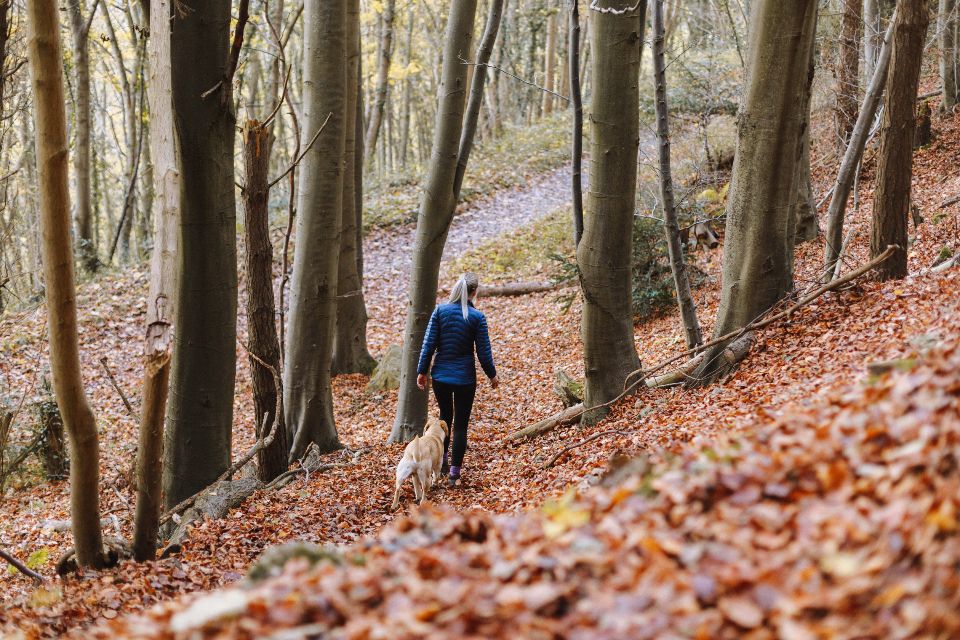
Exercise is still good for dogs in summer, but timing matters. Walk early in the morning or late in the evening when it is cooler. Avoid exercise in the hottest part of the day. During a heatwave, skip exercise and keep any walk short and gentle in the cooler hours.
Hot ground is the other problem. Hot pavement and sandy beaches can burn sensitive paws. Victorian government advice is simple: do not walk dogs on hot paths or roads. Grassy and shaded routes are kinder on the feet.
Think about how your dog spends the hottest hours on busy workdays. Doggie daycare is one option, as long as the centre has shade, water and cool indoor space. Ask how they manage hot days before you book. A dog left in the backyard all day needs a cool spot to rest and plenty of water.
Water, shade and a cool place to rest
Always leave plenty of fresh water out. Put out more than one bowl so a spill does not leave your dog without a drink. A frozen ice block in the bowl helps keep the water cool. Place the bowls in a cool spot your dog can reach easily.
Shade matters just as much. Never place a kennel in direct sunlight. Outdoor dogs need a cool spot to rest, and indoors a fan or air conditioning keeps the air moving. Make sure your dog can reach shaded and well ventilated areas at all times.
Your yard can help here. Trees, shade sails and dense planting all add shade. If you are planning garden improvements, think about where your dog likes to lie on hot afternoons. Choosing garden styles for your landscape design with plenty of shade suits pets and people alike.
Planning ahead for heatwave days
Check the weather forecast each evening in summer. If a heatwave is coming, plan the walk for early morning. Set up shade and spare water bowls before you leave for work. Freeze a few ice blocks the night before so they are ready to go.
Dogs, cars and utes
Never leave your dog in a parked car, even with the windows down or parked in the shade. A parked car can quickly become a furnace. Victorian government advice says pets can suffer heat stroke, brain damage or death in as little as four to six minutes. The Frankston council guide calls parked cars the number one cause of heat stroke in pets.
In Victoria it is illegal to leave an animal unattended in a car for more than 10 minutes when it is 28 degrees or hotter outside. The same temperature rule applies to dogs tied on the metal tray of a ute or trailer. That is illegal unless the dog has insulating material between it and the metal. The Agriculture Victoria rules on travelling with dogs also cover tethers, cages and ventilation. Rules differ between states, so check what applies where you live.
If you see a pet in a hot car in Victoria, the government advice is to call Victoria Police on triple zero straight away. Police can break into a vehicle to rescue an animal. In other states, find out who to call before summer arrives.
First aid if your dog overheats
Act quickly if you think your dog is overheating. Move them out of direct heat and into the shade. Apply cool water over their body, not cold water. A hose works, or anything you have on hand to wet them.
Place wet towels or ice packs on the head, neck and chest. Offer small amounts of water or ice cubes to lick. First aid is only the first step. Get your dog to a vet straight away.
Frequently asked questions
What temperature is too hot to walk my dog?
There is no single temperature limit that suits every dog. Older dogs, thick coated dogs and short nosed breeds struggle sooner. Walk early or late in the day and stay off hot surfaces. During a heatwave, skip exercise and keep any outing short and gentle in the cooler hours.
Can I leave my dog in the car with the windows down?
No. Government and council advice is clear that open windows and shade do not make a parked car safe. A car heats up quickly and pets can be harmed within minutes. Leave your dog at home or take them with you.
Should I clip my dog’s coat for summer?
Long haired breeds may benefit from clipping before hot weather. Pets with pink or pale skin can sunburn, so they still need shade. Ask your vet or groomer what suits your dog’s coat and skin.
How do I know if my dog needs a vet?
Heavy panting, staggering, vomiting or a dark red or purple tongue on a hot day are warning signs. Start cooling your dog and call a vet straight away. Heat stress can be fatal, so it is better to be safe.
This article is general information only and is not veterinary advice. If you are worried about your dog’s health, speak with your local vet.
Related posts


